I’ve been gearing up for a couple of book events and small writing projects this spring, re-evaluating the stock bio I send ahead of time to organizers. That along with a website refresh means I’m once again trying to articulate what I do (and by extension, who I am), looking for pithy statements that express my kaleidoscopic interests and identities: children’s author, podcaster, recovering tech worker, designer, film photographer, Detroiter, ex-New-Yorker, etc. etc. It’s one reason I’ve been thinking more about labels.
Two others, the first from dinner with family on Wednesday: My late grandmother, according to my mom, would chide my grandfather for his absent-mindedness. It had to be Alzheimer’s, she’d tell him. That label, even when made in jest, caused him to shut down, withdraw, feel that there was something wrong with him. Only when my grandmother stopped using it did he open back up again.
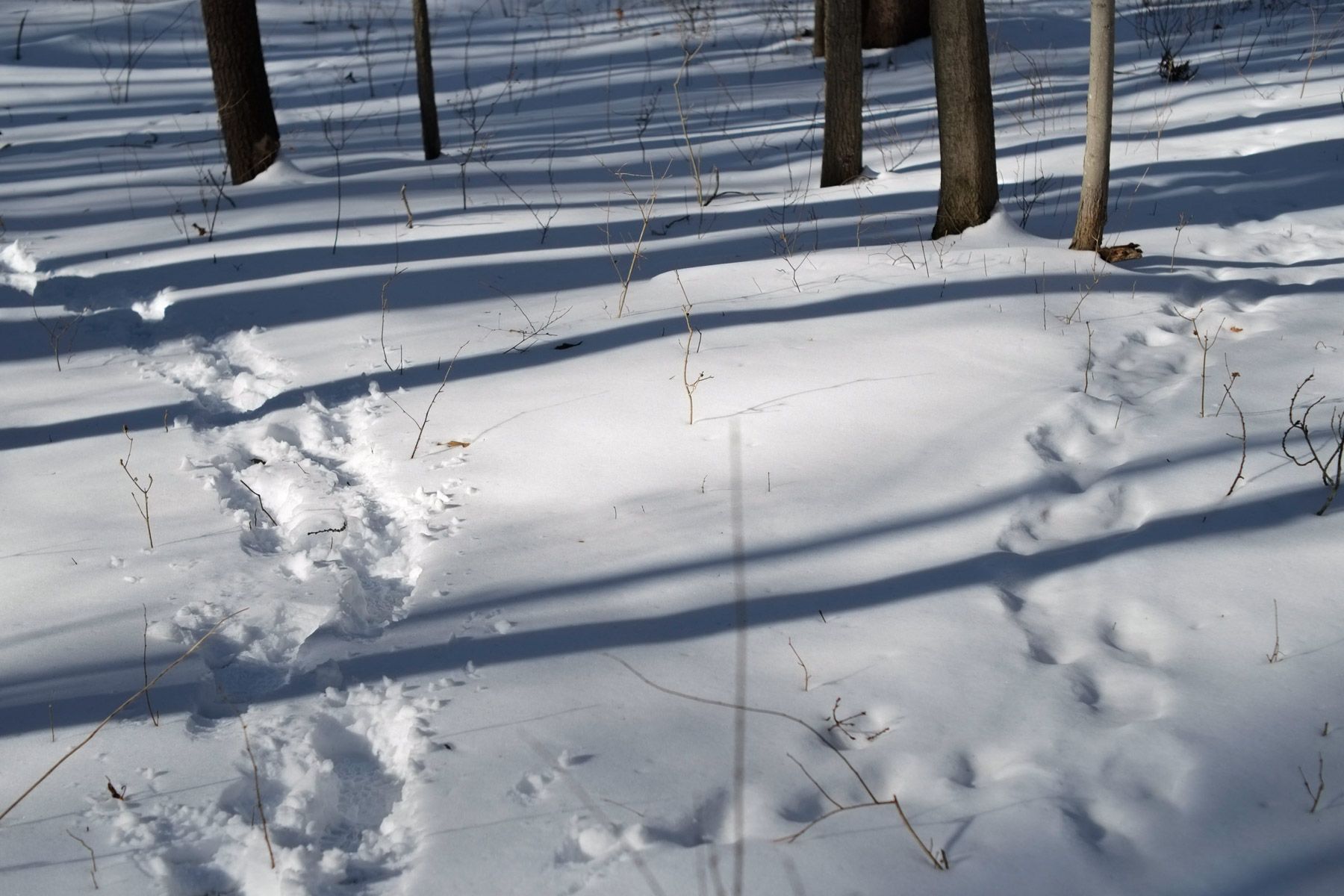
Second: This afternoon, we went on a snowy trail walk with some friends in Ann Arbor. On our way to get bubble tea afterwards, one friend, K, who’d had an incredibly difficult upbringing, told us that the word she used to use to describe herself was “crazy”. It was only more recently that she’d come to see herself as someone who had experienced trauma; it wasn’t that she was bad than that bad things had happened to her. Labeling it trauma was a huge relief for her. The label was a compass, pointing the way to support and community.
There’s a sea of difference between having a label foisted on you and claiming one for yourself. “I don’t believe in labels” is a thing that people say, and sometimes people say it genuinely out of a rejection of the former – a rejection of attempts to box in their multitudinousness. As a Chinese-American kid who was called a nerd (and far worse things) growing up, I have probably said that sentence myself – or at least thought it. If words are spells, then for me it could be a seal of protection; a counterspell.